Category education

What is an adaptogen?

A plain-language look at where the term comes from, what it does and doesn’t mean, and where ashwagandha fits among the plants commonly grouped under it.

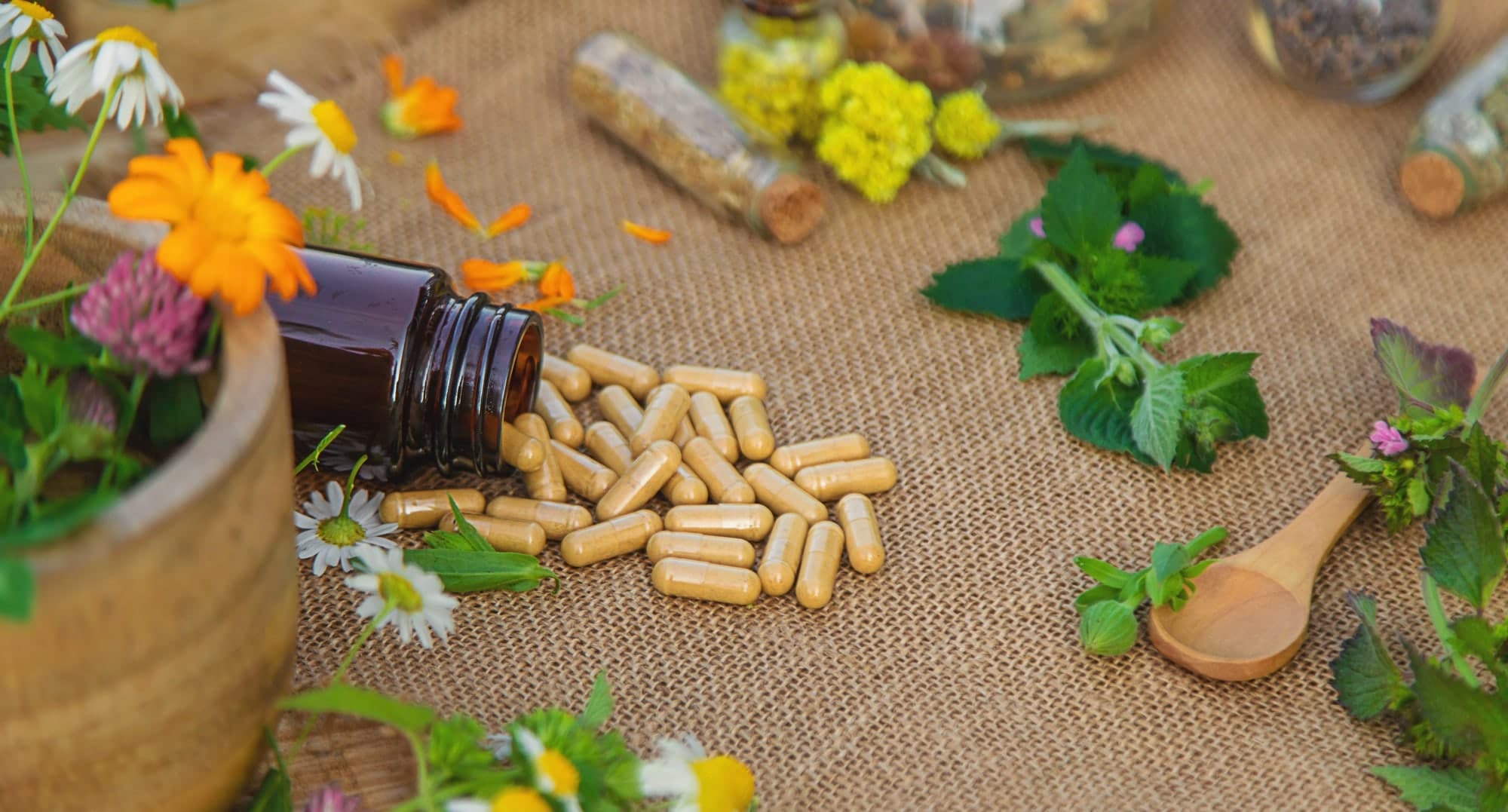
Botanical ingredients arranged on a natural surface
The term
Coined by Soviet-era researchers studying plant compounds and stress
The category
A broad group: ashwagandha, rhodiola, holy basil, reishi, and more
Not a drug class
“Adaptogen” is a botanical, not a regulatory or medical term
Zenutral's entry point
KSM-66® Ashwagandha root extract with black pepper extract / piperine

Understanding the category

A word for a category, not a guarantee.

Understanding what “adaptogen” actually describes makes it easier to evaluate any specific product—Zenutral included.

01

Where the word comes from

“Adaptogen” was proposed by researchers to describe plant substances studied for helping the body handle nonspecific stress. It's a category label, not an approved medical or regulatory term, and it doesn't guarantee a shared effect across every plant it's applied to.

02

A category, not a promise

Ashwagandha, rhodiola, holy basil, and reishi are all commonly called adaptogens, but they come from different plant families, have been studied in different ways, and aren't interchangeable. Grouping them under one word is a convenience, not evidence they work identically.

03

What research actually looks like

Most adaptogen research consists of small human trials or laboratory and animal studies, using specific extracts and doses. That's useful early evidence, but it's a different thing from the large, long-term trials required to support a medical claim.

04

Where ashwagandha fits

Ashwagandha (Withania somnifera) is one of the more widely studied adaptogens, with a long history in Ayurvedic tradition and a growing body of small clinical trials. Zenutral's current formula uses KSM-66®, a specific root extract, alongside black pepper extract / piperine.

Evidence before headlines

A category with real research and real limits.

Plants commonly called adaptogens have genuine traditional-use histories and a growing body of modern research, alongside real limits: small trial sizes, extract-specific results, and open safety questions for some ingredients and populations. Treating “adaptogen” as a single proven category oversimplifies both the promise and the caution warranted.

For an independent overview of ashwagandha specifically, including safety and interactions, read the NIH Office of Dietary Supplements fact sheet.

Common questions

What people ask about adaptogens.

Educational context only—not medical advice or a substitute for guidance from a qualified healthcare professional.

Is “adaptogen” a scientific or medical term?

No. It's a botanical category term, not a term recognized or defined by drug regulators. A supplement being called an adaptogen doesn't mean it's been evaluated the way a medication is.

Do all adaptogens do the same thing?

No. They're grouped by shared traditional use and a proposed mechanism, not by producing identical, interchangeable effects. Each one has its own research base, extract types, and safety profile.

Is ashwagandha the most studied adaptogen?

It's among the more widely studied, but research quality and depth vary by adaptogen and by specific extract. More studies exist for some ashwagandha extracts than others, which is why extract type matters more than the general “adaptogen” label.

Should I take multiple adaptogens together?

That's a personal decision best made with a qualified healthcare professional, especially if you take medications or manage a health condition. This guide is educational and isn't a recommendation to combine supplements.

See where ashwagandha fits

Compare ashwagandha to other adaptogens.

Continue with a side-by-side look at ashwagandha, rhodiola, Asian ginseng, and L-theanine, or explore Zenutral’s formula directly.

Additional public-health reference: National Center for Complementary and Integrative Health.