Comparing adaptogens

Ashwagandha vs. other common adaptogens.

Ashwagandha, rhodiola, Asian ginseng, and L-theanine get grouped together often. Here’s what actually distinguishes them—and why the category label matters less than the specific extract.

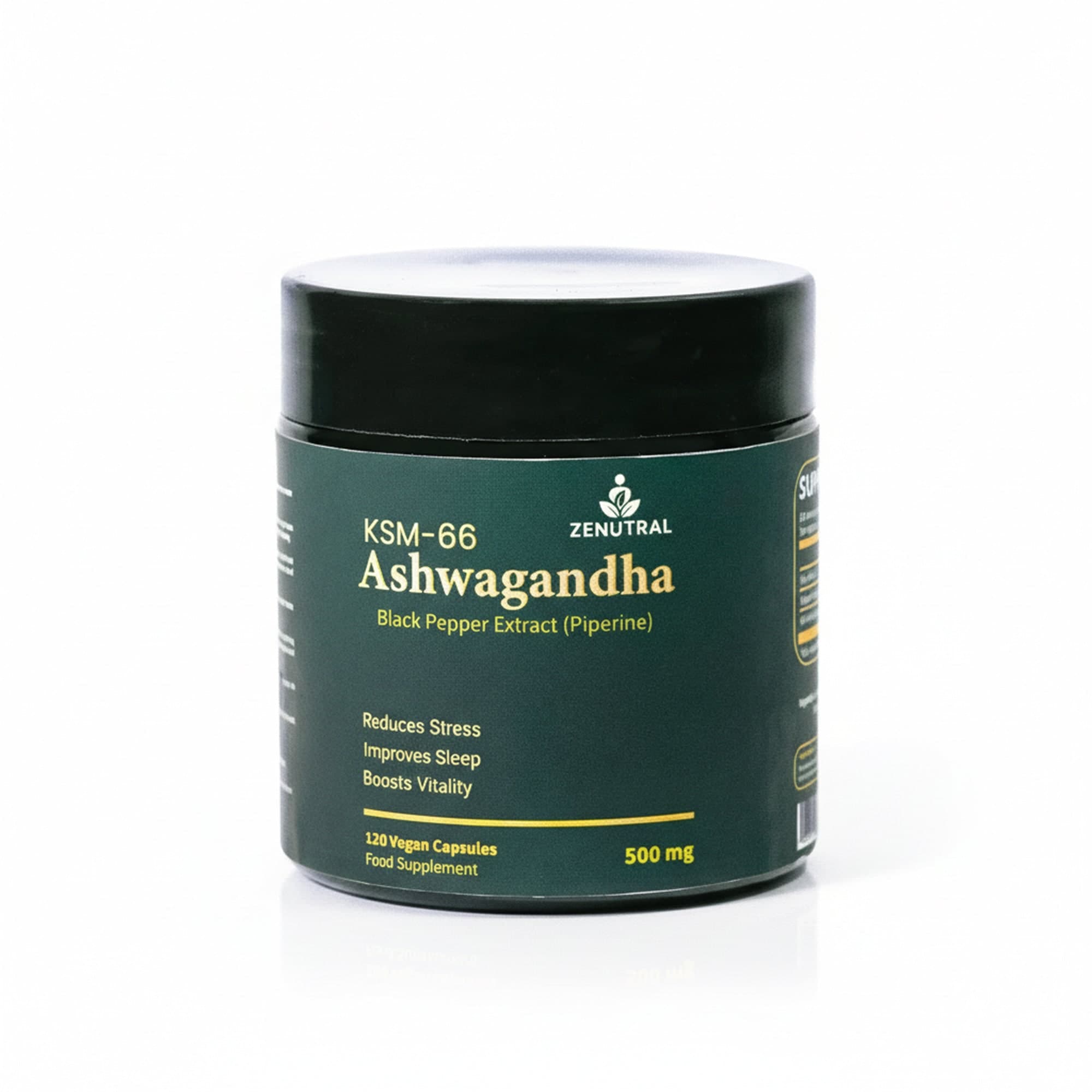
Original front view of the Zenutral Ashwagandha bottle
Comparing
Ashwagandha, rhodiola, Asian ginseng, and L-theanine
Not a ranking
Different plants, different research bases, different traditional uses
Zenutral's focus
KSM-66® Ashwagandha root extract with black pepper extract / piperine
The takeaway
Extract and dose matter more than the category label

Four plants, four stories

Different origins. Different research.

Grouping these under one word is convenient, not evidence they’re interchangeable. Here’s what sets each one apart.

01

Ashwagandha (Withania somnifera)

A root-based botanical with deep roots in Ayurvedic tradition, commonly available as root extract or root-and-leaf extract. Zenutral's current formula uses KSM-66®, a specific root extract, paired with black pepper extract / piperine.

02

Rhodiola (Rhodiola rosea)

A flowering plant from cold climates in Europe and Asia, traditionally used for fatigue and endurance. Independent sources note it has been studied in small trials, with safety and interaction questions that differ from ashwagandha's.

03

Asian Ginseng (Panax ginseng)

One of the most researched botanicals globally, used in traditional Chinese medicine for centuries. It's chemically distinct from ashwagandha and rhodiola, with its own separate body of research and its own interaction considerations.

04

L-theanine (commonly from tea)

An amino acid naturally found in tea leaves, sometimes grouped with adaptogens in casual use though it has a different origin and research history. It's typically discussed alongside caffeine and focus rather than the stress-adaptation research associated with root-based adaptogens.

Evidence before headlines

Read the extract, not just the category.

Two products can both say “adaptogen” on the front of the label and contain meaningfully different plants, extracts, and doses on the back of it. The more useful comparison is extract-to-extract, not category-to-category.

For independent overviews of each plant discussed here, see NCCIH’s pages on Rhodiola, Asian Ginseng, and Green Tea (a common source of L-theanine), alongside the NIH Office of Dietary Supplements fact sheet on ashwagandha.

Common questions

What people ask when comparing adaptogens.

Educational context only—not medical advice or a substitute for guidance from a qualified healthcare professional.

Is ashwagandha better than rhodiola or ginseng?

“Better” depends on what's being compared and for whom—these are different plants with different traditional uses, active compounds, and research bases. None of them has been shown to be a universal replacement for the others.

Can I take ashwagandha and another adaptogen together?

Combining supplements changes the interaction and safety picture and isn't something a general guide can advise on. Ask a qualified healthcare professional before combining ashwagandha with other adaptogens, supplements, or medications.

Why does Zenutral focus on ashwagandha instead of a multi-adaptogen blend?

Zenutral's current formula lists a single named root extract, KSM-66® Ashwagandha, alongside black pepper extract / piperine, both at disclosed milligram amounts rather than combined into an undisclosed blend. That's a labeling choice, not a claim that ashwagandha is superior to every other adaptogen.

Are these adaptogens regulated the same way?

In the United States, ashwagandha, rhodiola, ginseng, and L-theanine are all typically sold as dietary supplements, not drugs, and none goes through the premarket approval process required for medications.

See the formula

Take a closer look at Zenutral.

Explore Zenutral’s KSM-66® Ashwagandha formula or return to the full guide library.

Additional public-health reference: National Center for Complementary and Integrative Health.